

Indian Oilseeds Exporters
This is a section of some simple filler text, also known as placeholder text. It shares some characteristics of a real written text but is random or otherwise generated.
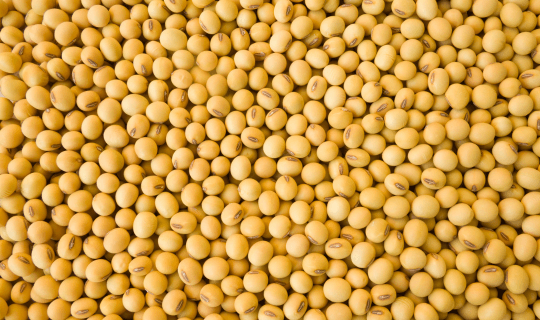
Soybean
Major Cultivating Areas
Madhya Pradesh, Maharashtra, Rajasthan, Uttar Pradesh, Karnataka, Andhra Pradesh, Tamil Nadu, Bihar.
Unique Features
Soybeans are rich in protein, oil, and essential nutrients, making them a key crop for food, animal feed, and industrial applications. They are widely used to produce plant-based alternatives to dairy and meat products.
Medicinal and Health Benefits
High in Protein: Supports muscle growth, immune function, and overall health.
Heart Health: Contains healthy fats (polyunsaturated) and has been shown to lower bad cholesterol levels.
Bone Health: Rich in calcium and magnesium, which are essential for strong bones.
Hormonal Balance: Soy contains phytoestrogens, which may help in balancing hormones and reducing the effects of menopause.
Digestive Health: High in fiber, promoting digestive regularity and gut health.
Varieties
Yellow Soybeans: The most common variety, used for food products and oil extraction.
Green Soybeans (Edamame): Harvested when young and green, often consumed as a snack or appetizer.
Black Soybeans: Rich in antioxidants and used in traditional medicine and cooking.
Brown Soybeans: Used for tofu and other soy-based products.
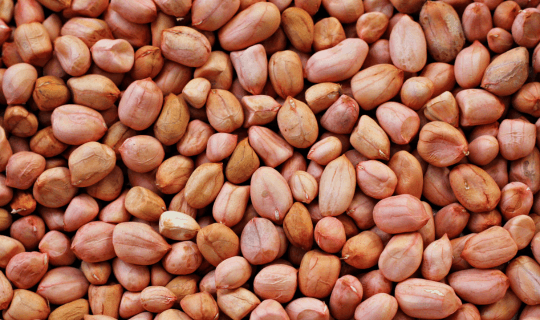
Groundnuts
Major Cultivating Areas
Andhra Pradesh, Tamil Nadu, Karnataka, Gujarat, Rajasthan, Madhya Pradesh, Uttar Pradesh, Maharashtra.
Unique Features
Groundnuts, also known as peanuts, are legumes that grow underground, with a high content of healthy fats, proteins, and fiber. They are widely consumed as snacks, in cooking, and used in various processed forms.
Medicinal and Health Benefits
High in Protein: Supports muscle repair, growth, and overall health.
Heart Health: Rich in monounsaturated fats and antioxidants, which help lower bad cholesterol levels and reduce the risk of cardiovascular diseases.
Rich in Vitamins and Minerals: Includes Vitamin E, folate, niacin, and magnesium, supporting skin health, brain function, and bone health.
Antioxidant Properties: Contains resveratrol, which has anti-inflammatory and anti-aging benefits.
Weight Management: Due to its healthy fats and protein content, it helps in promoting satiety, reducing overeating.
Varieties
Spanish Groundnut: Smaller seeds with a strong flavor, commonly used in peanut butter and snacks.
Virginia Groundnut: Larger kernels, often roasted and salted or used in confectionery.
Runner Groundnut: Popular in peanut butter production due to its consistent size and high oil content.
Valencia Groundnut: Known for its sweet flavor, often used in snacks and nut butter.
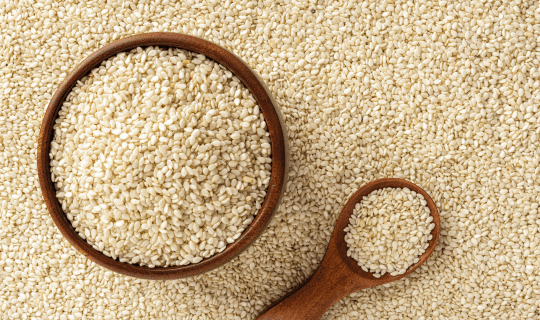
Sesame Seeds
Major Cultivating Areas
Gujarat, Tamil Nadu, Rajasthan, Andhra Pradesh, Uttar Pradesh, Karnataka, Madhya Pradesh, Odisha.
Unique Features
Sesame seeds are small, flat, oval-shaped seeds that come in various colors, including white, black, and brown. They are rich in oil, antioxidants, and essential minerals, and are commonly used in cooking, baking, and as a garnish.
Medicinal and Health Benefits
Rich in Healthy Fats: High in monounsaturated and polyunsaturated fats, supporting heart health.
Bone Health: Contains calcium, magnesium, and zinc, which are essential for strong bones and teeth.
Rich in Antioxidants: Sesame seeds are a source of sesamin and sesamol, antioxidants that help reduce oxidative stress and inflammation.
Supports Digestion: High in fiber, aiding in digestive health and promoting regular bowel movements.
Skin Health: Sesame oil has moisturizing properties, often used in skincare for its ability to reduce dry skin and improve elasticity.
Varieties
White Sesame Seeds: Most commonly used for garnishing, in cooking, or in the production of sesame oil.
Black Sesame Seeds: Known for their stronger flavor and higher antioxidant content, often used in Asian cuisine and traditional medicine.
Brown Sesame Seeds: A less common variety, often used in specific regional dishes or in the production of sesame oil.
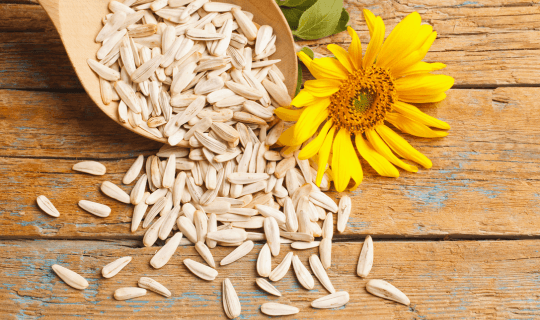
Sunflower Seeds
Major Cultivating Areas
Rajasthan, Maharashtra, Karnataka, Madhya Pradesh, Andhra Pradesh, Uttar Pradesh, Haryana.
Unique Features
Sunflower seeds are edible seeds from the sunflower plant, known for their high content of healthy fats, protein, vitamins, and minerals. They are often consumed as a snack or used in cooking and baking. Sunflower seeds come in two main types: oilseed (used for oil extraction) and non-oilseed (eaten as snacks).
Medicinal and Health Benefits
Heart Health: Rich in unsaturated fats and antioxidants, sunflower seeds help reduce bad cholesterol and improve heart health.
Rich in Vitamin E: Contains high levels of Vitamin E, which acts as an antioxidant and supports skin health.
Anti-inflammatory Properties: Due to their antioxidant content, sunflower seeds help reduce inflammation in the body.
Boosts Immunity: High in magnesium and zinc, which help boost the immune system.
Supports Bone Health: Rich in magnesium, phosphorus, and calcium, promoting strong bones and teeth.
Regulates Blood Sugar: Contain compounds that help regulate blood sugar levels, beneficial for those with diabetes.
Varieties
Oilseed Sunflower Seeds: Grown for oil extraction, these seeds are not typically consumed directly as snacks but are used to produce sunflower oil.
Non-Oilseed Sunflower Seeds: Edible seeds often consumed raw, roasted, or used in snack products and culinary preparations.